
Security & Adversarial ML
Defending AI systems against adversarial attacks, malware, binary analysis, and behavioral authentication.
5 ProjectsBiomedical AI
Applying deep learning to medical imaging, disease detection, and multimodal clinical decision support.
6 Projects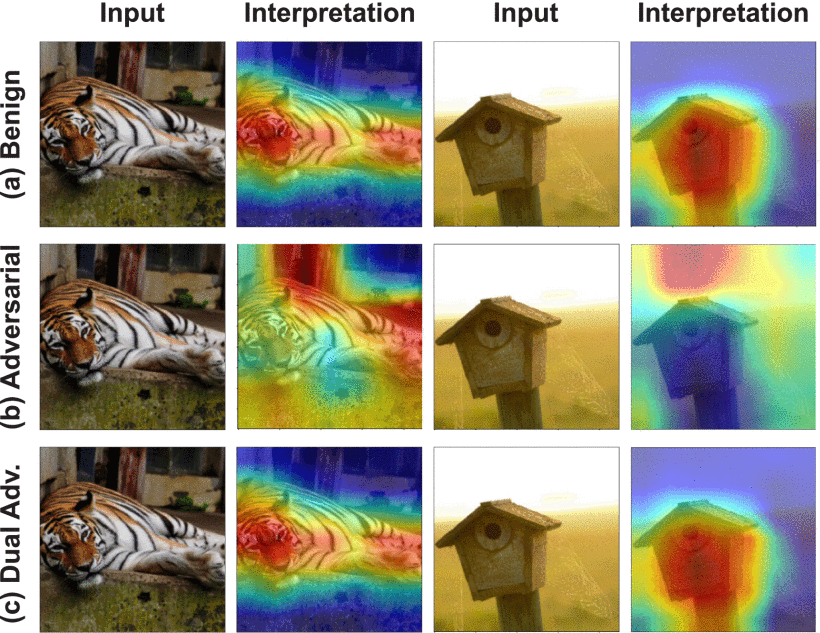
Securing Interpretable Deep Learning Systems
The growing integration of deep learning (DL) models into high-stakes domains, such as healthcare, finance, and autonomous syst...
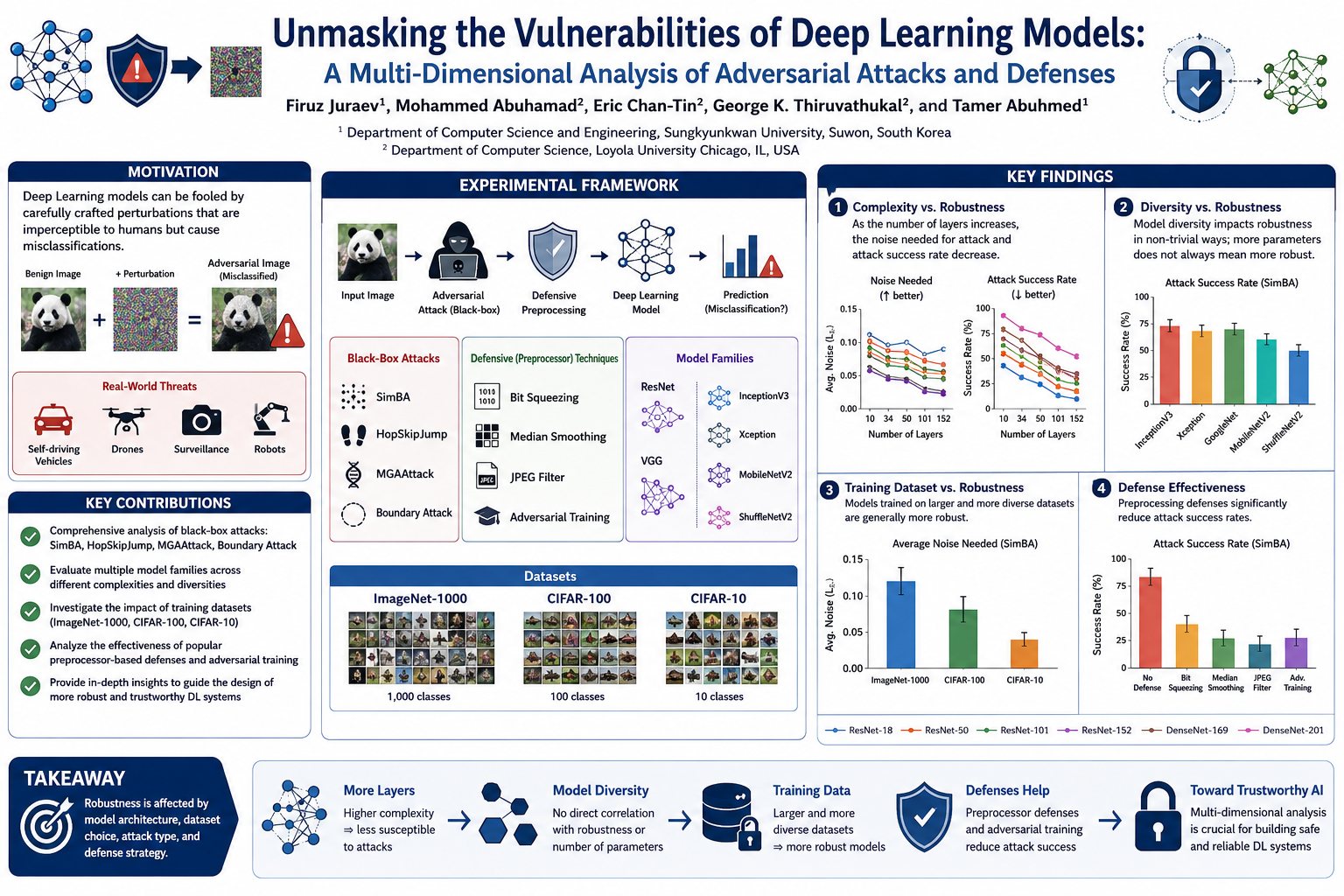
Comprehensive Evaluation of Adversarial Robustness in Deep Learning
Adversarial attacks pose a serious challenge to the reliability and security of deep learning (DL) models. These attacks, often...
Robust Malware Detection in Adversarial Environments
The dynamic evolution of malware, combined with increasingly sophisticated evasion techniques such as packing, obfuscation, and...
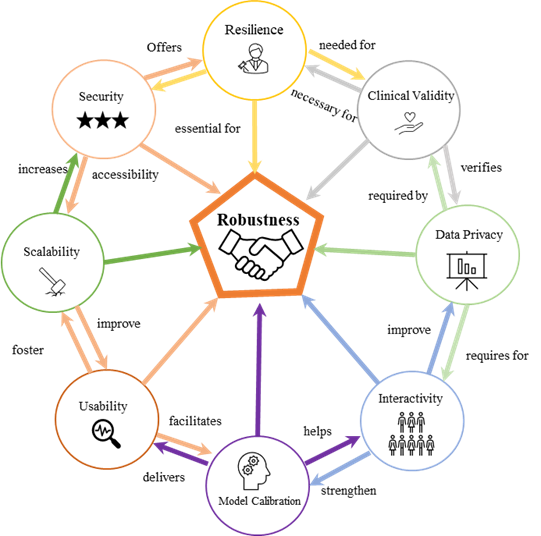
Explainable Artificial Intelligence for Trustworthy and Transparent Decision-Making in Medical Applications
The project seeks to address the growing need for transparency, accountability, and interpretability in artificial intelligence...
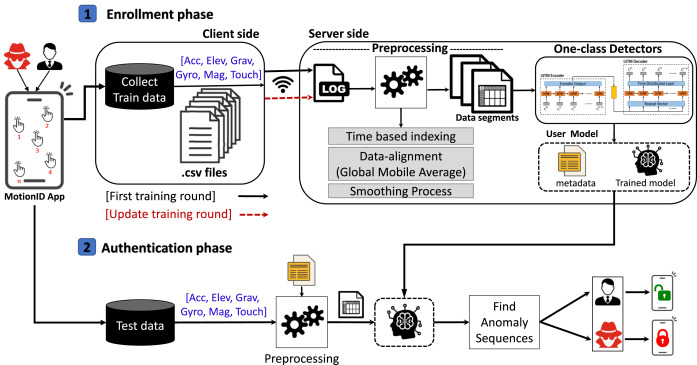
Behavioral Biometrics for Continuous and Adversarially Robust User Authentication on Smartphones
Traditional authentication methods—such as passwords, PINs, and even biometric systems (fingerprint, facial recognition)—typica...
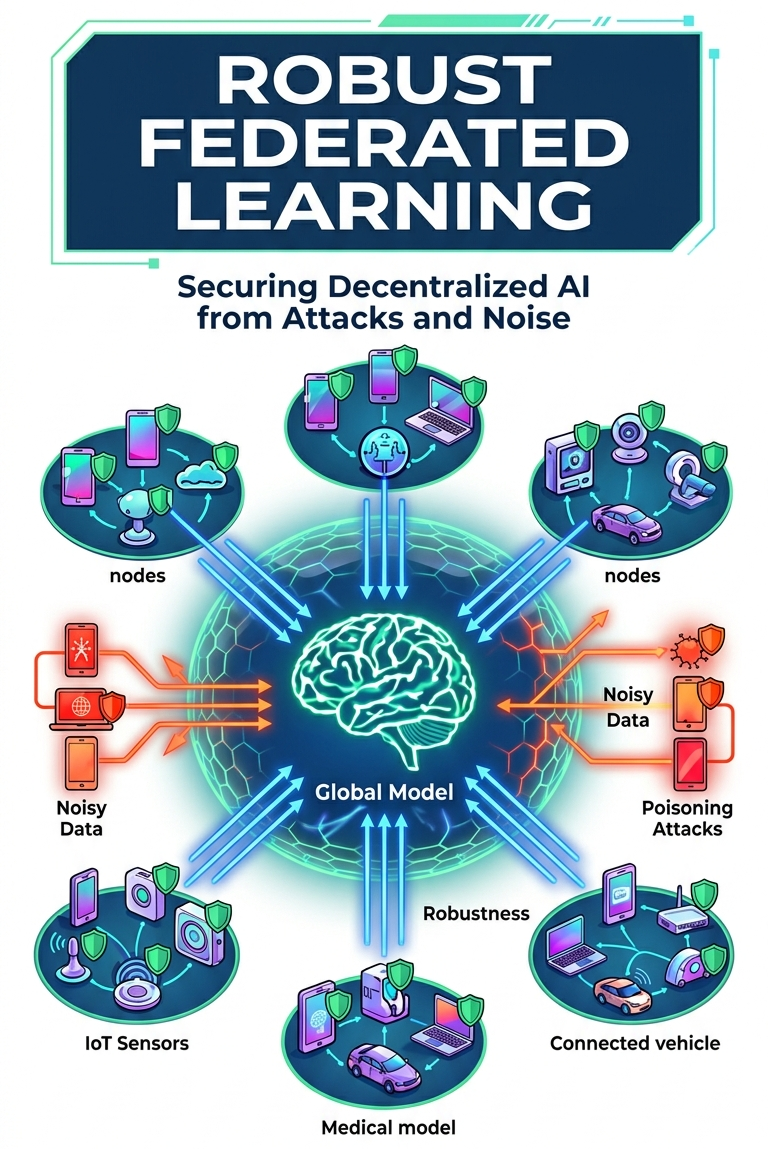
Robust Federated Learning: Defending Distributed AI Against Poisoning Attacks
Federated learning lets many clients collaboratively train a shared model without exchanging raw data, making it ideal for priv...
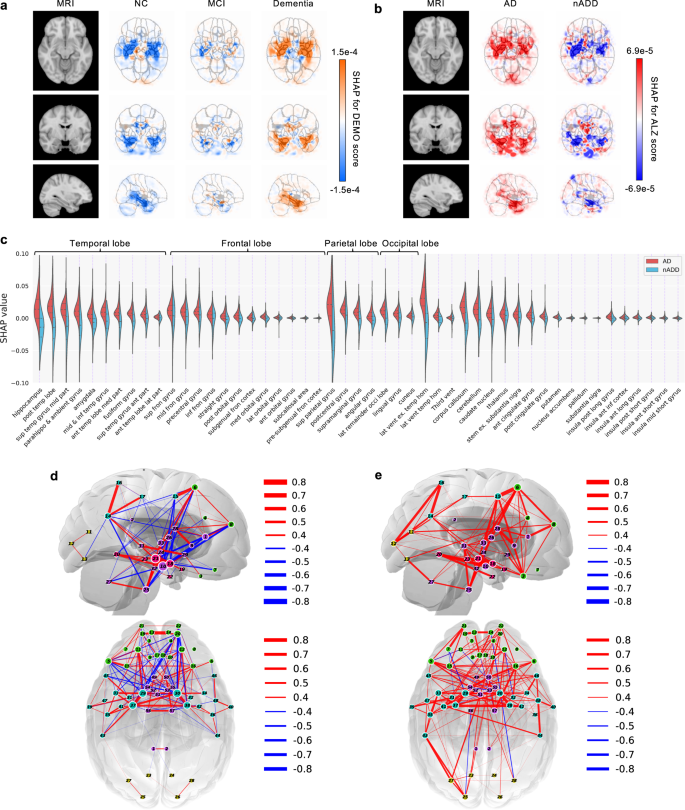
Multimodal, Explainable, and Adversarially-Robust Deep Learning for Alzheimer’s Disease Progression Detection
Alzheimer's disease (AD) is the most common form of dementia, affecting millions globally, yet early and accurate detection rem...
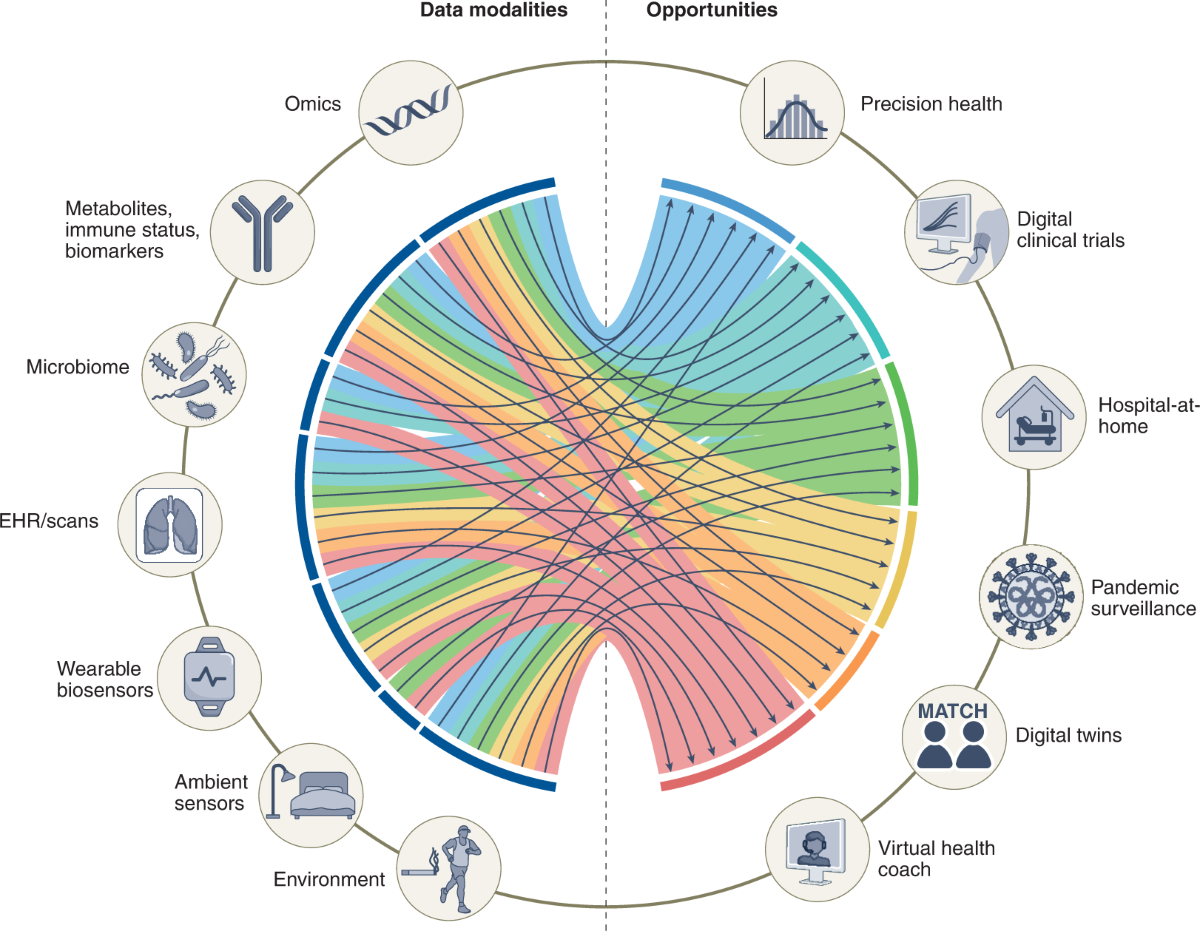
Explainable Dynamic Ensemble Learning with Late Fusion of Multimodal Data for Intelligent Decision Support
Clinical decision-making demands the integration of heterogeneous data sources—lab results, imaging, clinical notes, vital sign...
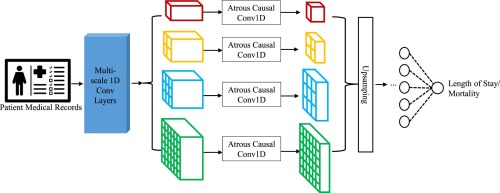
Explainable and Dynamic Ensemble Models for ICU Mortality and Length-of-Stay Prediction
Predicting patient outcomes in the Intensive Care Unit (ICU)—mortality risk, length of stay, and deterioration events—can save ...
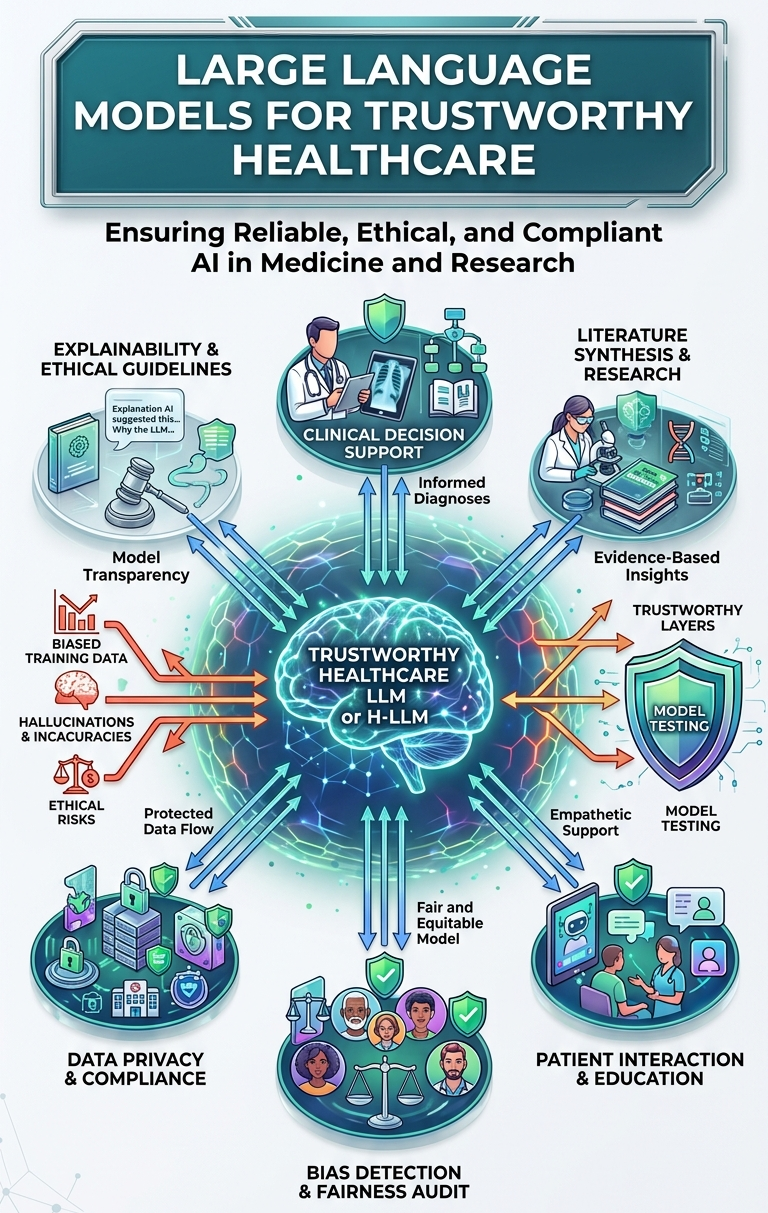
Large Language Models for Trustworthy Healthcare and Clinical Decision Support
Large language models are reshaping how clinical knowledge is accessed, explained, and acted upon—but healthcare is precisely w...
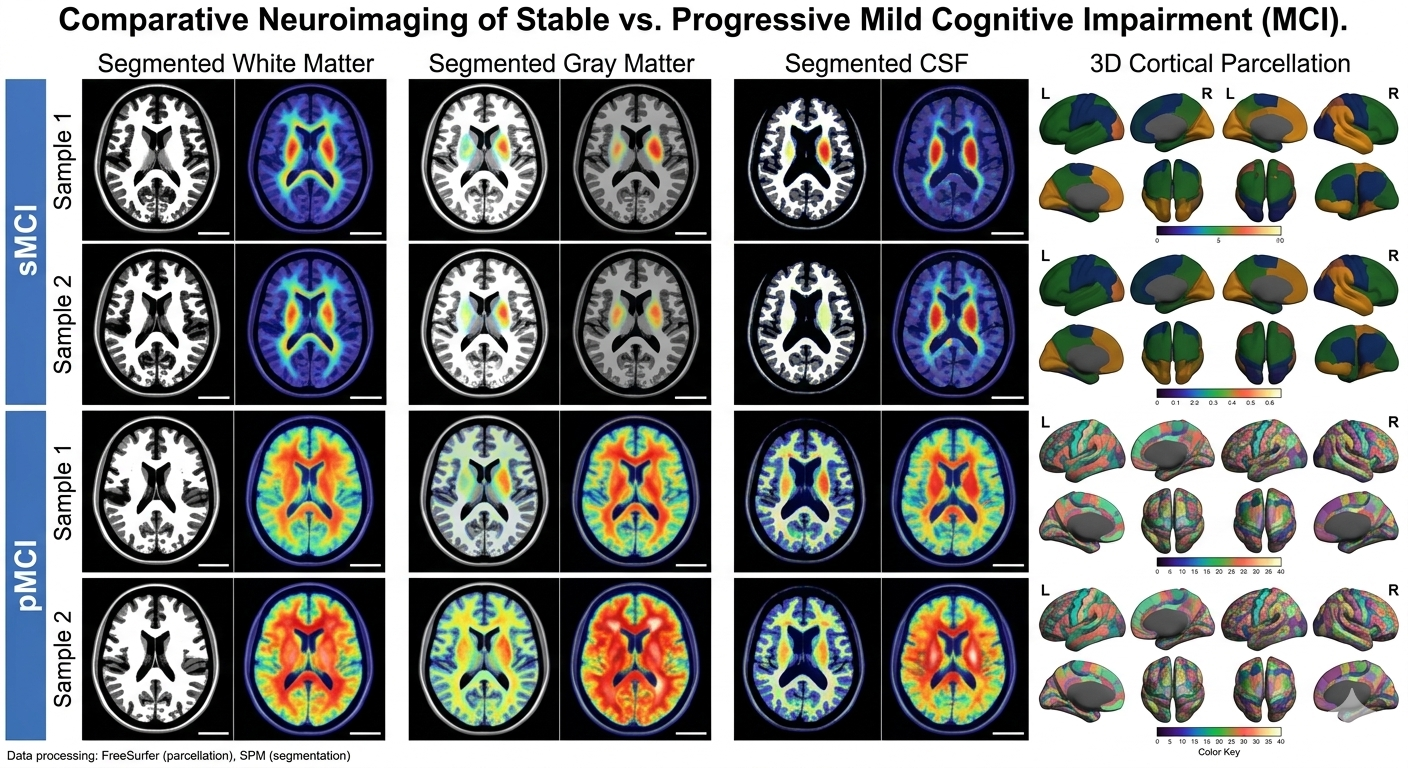
Explainable Deep Learning for Disease Diagnosis and Medical Imaging
Deep learning now matches clinicians on many diagnostic and screening tasks, yet adoption stalls when models cannot explain the...
Funding & Support