
Biomedical AI Projects
At the intersection of AI and healthcare, our biomedical research projects focus on developing intelligent, multimodal, and explainable systems to tackle real-world clinical challenges. From predicting the progression of Alzheimer’s disease to forecasting ICU patient outcomes, these works prioritize transparency, robustness, and practical deployment. Leveraging deep learning, time-series analysis, and XAI, we aim to support clinicians with trustworthy tools that improve diagnosis, prognosis, and critical care decision-making across diverse patient populations.
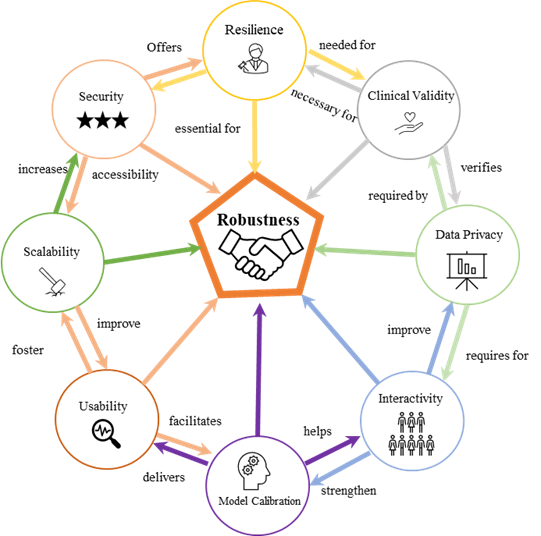
The project seeks to address the growing need for transparency, accountability, and interpretability in artificial intelligence (AI) systems used in healthcare. As deep learning and other machine learning techniques become integral to medical diagnostics, prognosis, and treatment planning, the “black-box” nature of many AI models poses significant challenges for clinical adoption, regulatory approval, and patient trust.
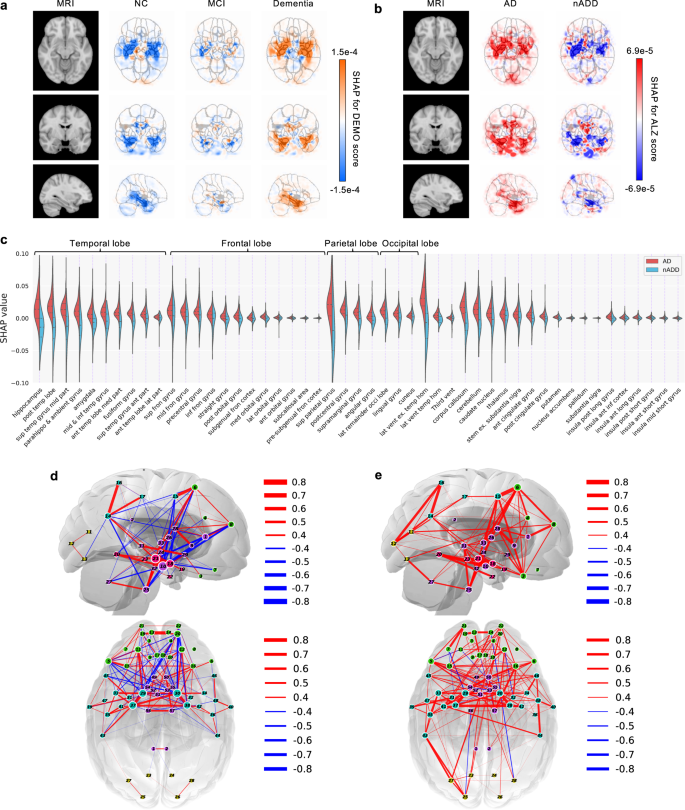
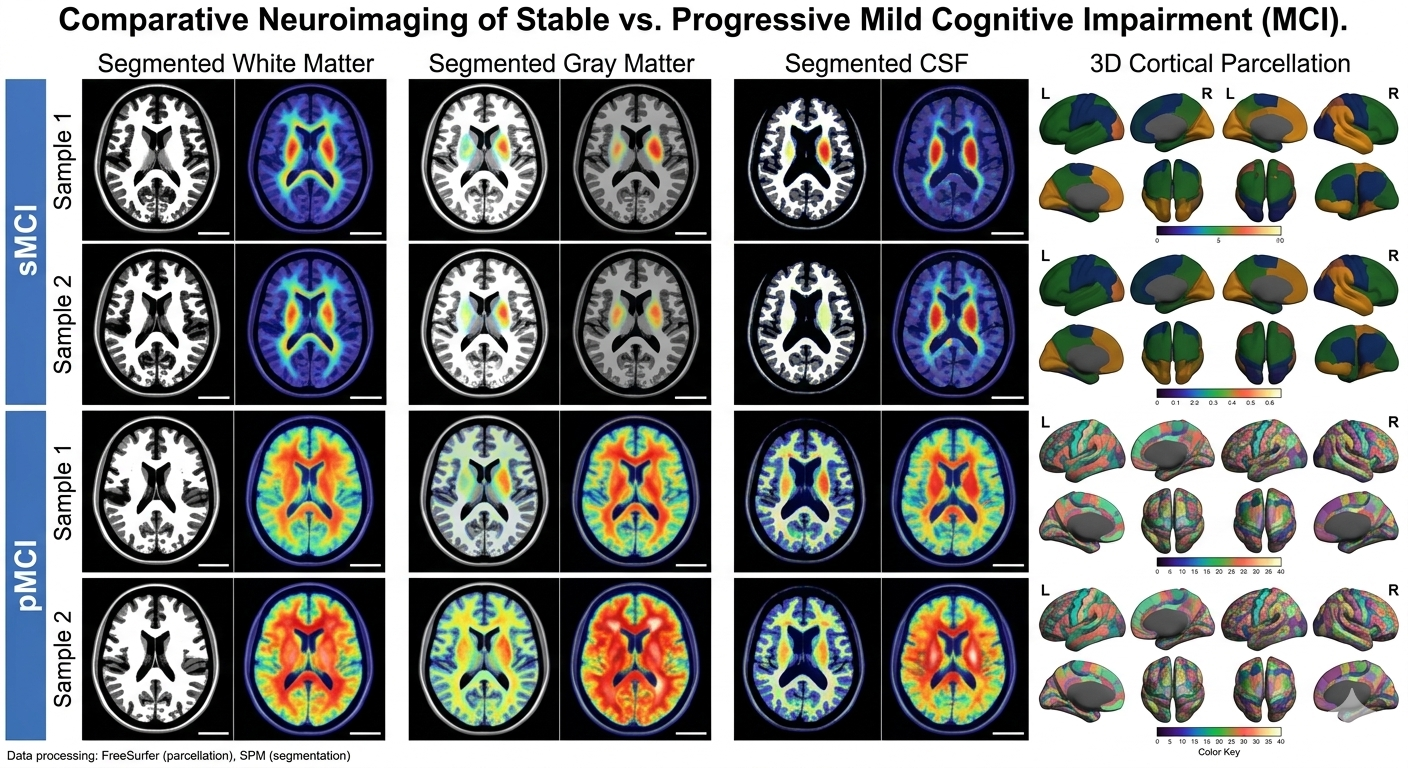
Alzheimer’s disease (AD) is the most common form of dementia, affecting millions globally, yet early and accurate detection remains a critical challenge. InfoLab leads a research program combining multimodal neuroimaging data (MRI, PET), clinical assessments, and genetic biomarkers with state-of-the-art deep learning to detect and track AD progression. Our models incorporate explainable AI techniques that highlight which brain regions and biomarkers drive predictions, enabling clinicians to interpret and trust model outputs. We further harden these systems against adversarial perturbations to ensure diagnostic robustness in real-world clinical settings.
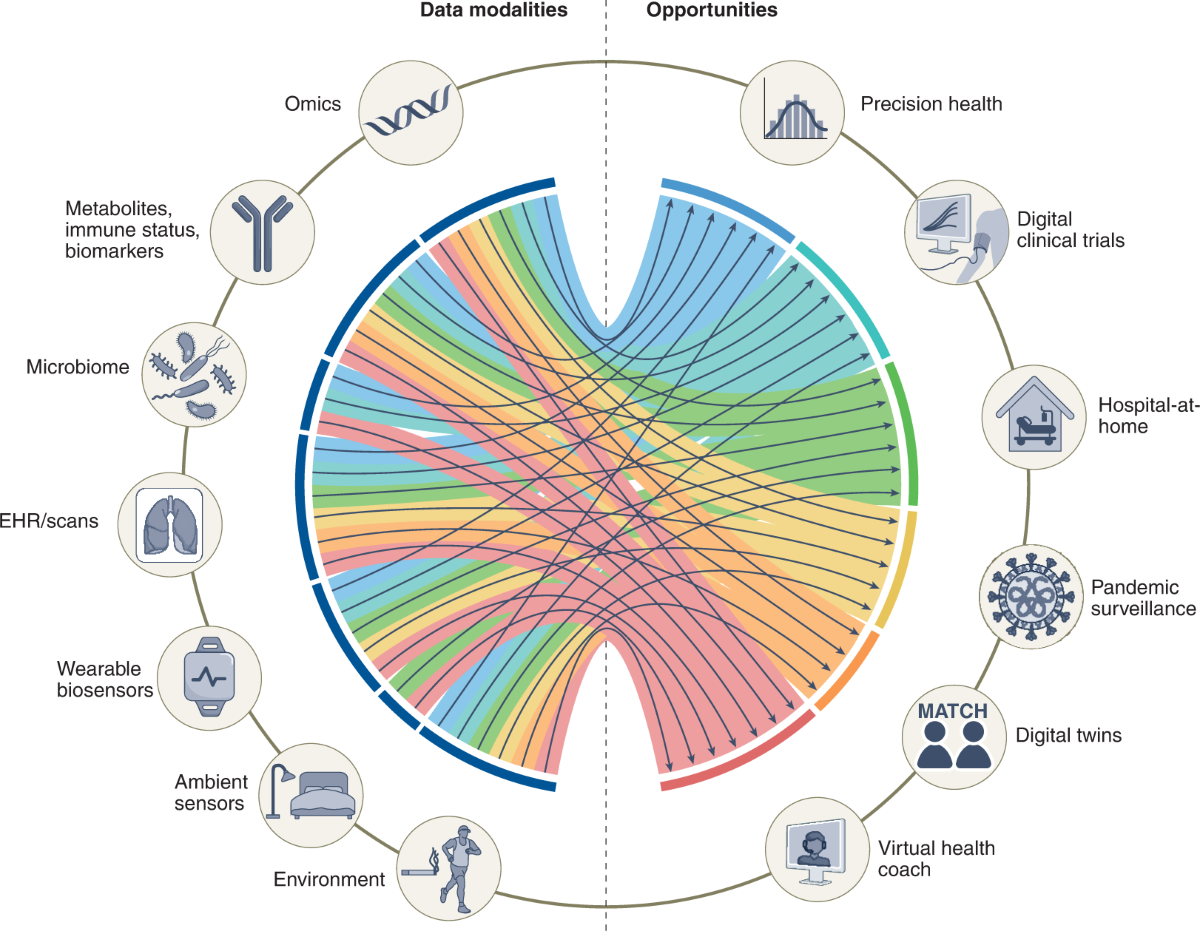
Clinical decision-making demands the integration of heterogeneous data sources—lab results, imaging, clinical notes, vital signs, and genomic data—that no single model handles optimally. InfoLab develops dynamic ensemble frameworks that adaptively combine specialized sub-models at late fusion stages, weighting their contributions based on data availability and uncertainty. Each ensemble decision is paired with an explainability layer that surfaces the evidence supporting the recommendation, enabling clinicians to validate, override, or defer to the system with confidence. Applications span depression severity assessment, sepsis risk stratification, and post-surgical outcome prediction.
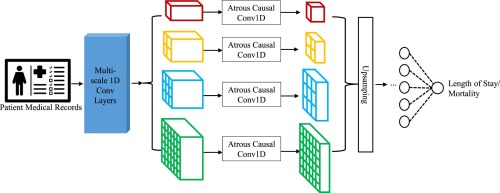
Predicting patient outcomes in the Intensive Care Unit (ICU)—mortality risk, length of stay, and deterioration events—can save lives and optimize resource allocation, yet the complexity of clinical time-series data makes this a formidable modeling challenge. InfoLab applies dynamic ensemble methods that fuse longitudinal vital signs, lab measurements, medication histories, and diagnostic codes from large-scale ICU databases such as MIMIC and eICU. Our explainable models generate patient-level risk scores alongside interpretable feature attributions, giving intensivists actionable insight into which clinical indicators are driving the prediction at each point in time.
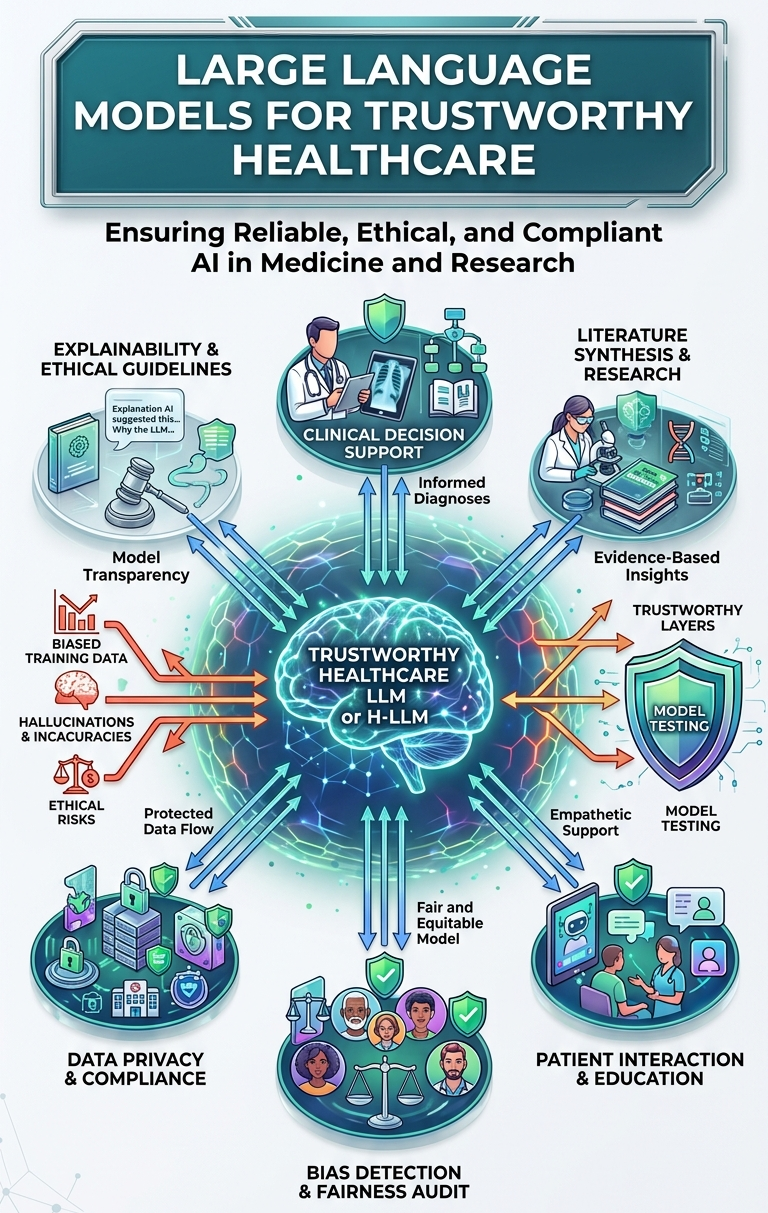
Large language models are reshaping how clinical knowledge is accessed, explained, and acted upon—but healthcare is precisely where hallucination, opacity, and unsafe recommendations are least acceptable. InfoLab at SKKU develops and evaluates LLM-powered systems that pair the fluency of modern language models with knowledge grounding, explainability, and responsible-AI safeguards. Our work spans smart pharmacy systems for drug safety, knowledge-augmented explainable chatbots that curb hallucination, and LLM-based clinical outcome prediction, all designed to be accurate, transparent, and safe enough for real clinical and pharmacy workflows.
Deep learning now matches clinicians on many diagnostic and screening tasks, yet adoption stalls when models cannot explain their decisions or generalize beyond curated benchmarks. Across conditions—from sight-threatening eye disease to chronic kidney and bone disorders—InfoLab at SKKU builds diagnostic systems that are accurate, robust, and interpretable. This work unifies explainable AI for disease diagnosis and medical imaging beyond neurodegenerative disease, combining transfer learning, hybrid CNN–Transformer architectures, and ensembles with clinician-inspectable explanations across diabetic retinopathy grading, chronic kidney disease detection, osteoporosis screening, and skin-cancer staging.